Copenhagen’s cinematic reputation rests heavily on its waterfront, but the actual shooting experience demands a balance between low-altitude air space and hyper-crowded street levels. I spent my time auditing the city’s architectural layers, capturing everything from the bizarre efficiency of its cyclists to the impressive historic harbours. It’s a remarkably practical city to film if you respect its pacing.
Locations featured in Copenhagen
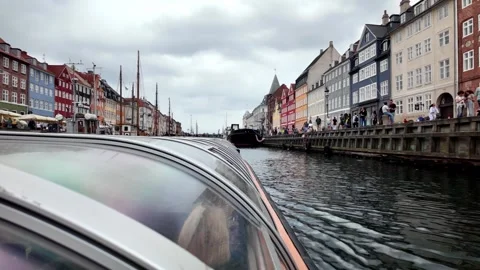
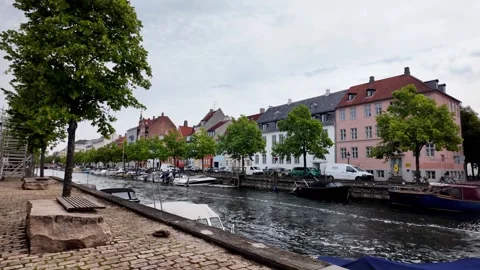
Nyhavn
The historic 17th-century waterfront and canal district flanked by brightly coloured townhouses and wooden ships.
Kongens Nytorv
A prominent public square at the end of the Nyhavn canal, surrounded by historic institutions.
Inderhavnsbroen
The modern pedestrian and cyclist bridge connecting Nyhavn to Christianshavn across the inner harbour.
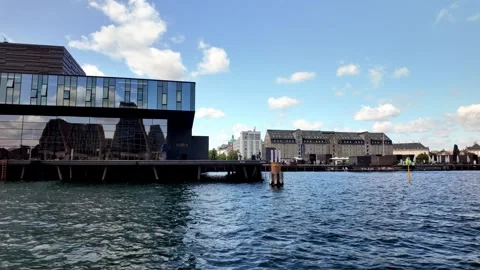
The Playhouse
The Royal Danish Theatre's contemporary waterside venue, featuring dark brick and glass extending over the harbour.
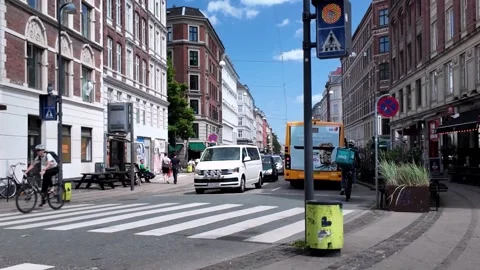
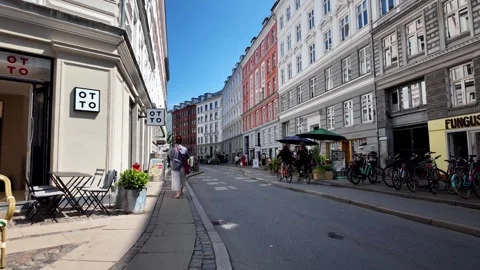
Elmegade
A densely populated residential street in Nørrebro, lined with apartments and heavy bicycle traffic.
Christianshavn
A maritime neighbourhood built on artificial islands, known for its cobbled streets and narrow canals.
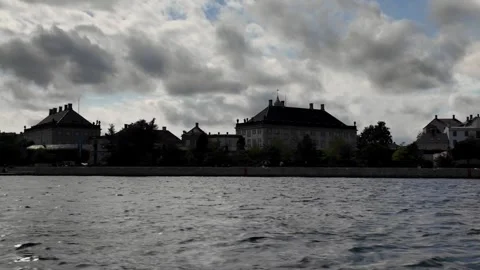
Amalienborg Palace
The waterfront winter residence of the Danish royal family, featuring four identical classical palace façades.
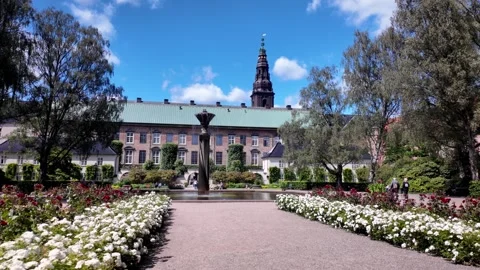
Royal Library Garden
A tranquil, enclosed garden space situated directly behind the Christiansborg Palace complex.
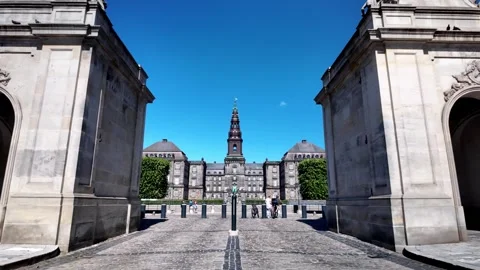
Christiansborg Palace
The massive government building housing the Danish Parliament, featuring a prominent tower dominating the skyline.
Marmorbroen
The historic Marble Bridge that provides the main entrance to the Christiansborg Palace complex.
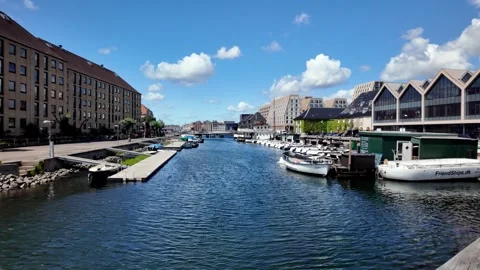
Trangravsvej
A canal-side route in Christianshavn offering direct views of Copenhagen's modern harbour architecture.
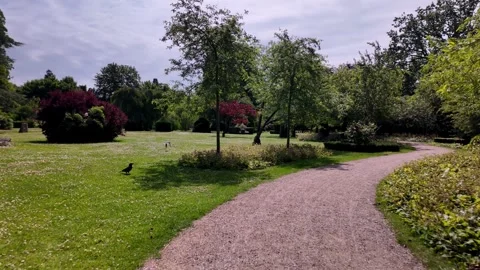
Frederiksberg Garden
One of the largest urban green spaces in the city, featuring sweeping romantic landscape gardens and historic paths.
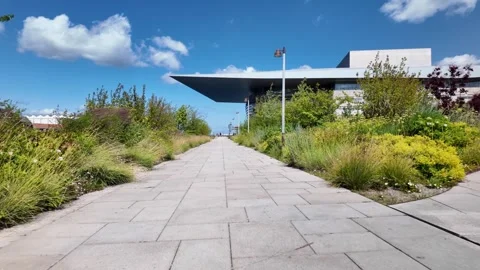
Operaparken
A highly manicured, lush modern garden space situated directly beside the Royal Danish Opera House.
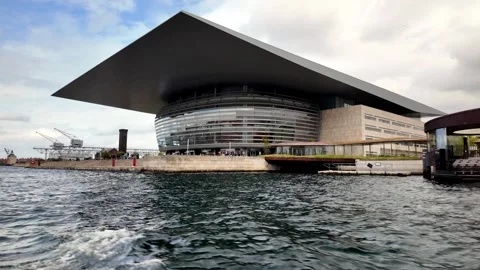
Copenhagen Opera House
A striking neo-futuristic structure on the island of Holmen, featuring a massive cantilevered roof.
Frederik's Church
Also known as the Marble Church, characterized by its massive copper green dome rising behind Amalienborg.
Nikolaj Kunsthal
A former church turned contemporary art centre, identifiable by its towering neo-baroque spire.
The reality of the harbour airspace
Securing clean aerials over Copenhagen’s waterways is an exercise in early mornings and logical flight paths. The airspace over Nyhavn is heavily restricted later in the day, but at first light, I found it actually delivers exactly what editors need: isolated, uninterrupted tracks from the brightly coloured waterfront houses straight through to Kongens Nytorv. My drone coverage focuses heavily on this early morning window to map out the sheer density of the capital. Rising shots over the river provide a clear look at how the city functions before the commuter rush begins. Orbiting the docked boats and climbing for high-altitude reveals over the Inderhavnsbroen bridge when it is empty is impressive, but you have to work for it. The harbour is a working artery, not a museum piece.
Ground-level movement and architectural layers
Once the city wakes up, I switched entirely to gimbal work to navigate the aggressive volume of cyclists and pedestrians. You cannot just plant a tripod on Elmegade and expect people to flow around you; you have to move with the traffic. The historical weight of the city is best captured by walking it. I tracked along the canals of Christianshavn and crossed the Marmorbroen bridge towards Christiansborg Palace to get an accurate sense of scale. The Royal Library Garden offers a bizarre pocket of silence right in the middle of it all, providing a sharp contrast to the busy streets. I also spent time moving through the sunny paths of Frederiksberg Garden, where the layers of Danish history are completely unavoidable.
Auditing the modern waterfront and canal perspectives
You cannot document Copenhagen without acknowledging the rugged, modern architecture sitting directly opposite the historical palaces. To capture this juxtaposition, I shot extensively from the water and the newer park spaces. Framing the Copenhagen Opera House through the lush greenery of Operaparken provides a highly practical establishing shot that avoids standard tourist framing. Passing The Playhouse and the Amalienborg Palace from a harbour boat gives a completely different perspective on the city’s relationship with the water. The contrast between the classical details of Frederik’s Church in the background and the sharp modern lines along Trangravsvej feels deliberate. It is a city built on spite against the sea, and capturing that from the deck of a boat looking up at the Nikolaj Kunsthal tower is the most logical way to show it.