How do you actually capture a city defined by centuries of overlapping, often spiteful, empires? I spent my time in Cordoba walking its dense historic core, logically auditing the architectural layers. This collection focuses on ground-level movement through tight alleyways, Moorish archways, and palatial gardens from a practical pedestrian perspective.
Locations featured in Cordoba
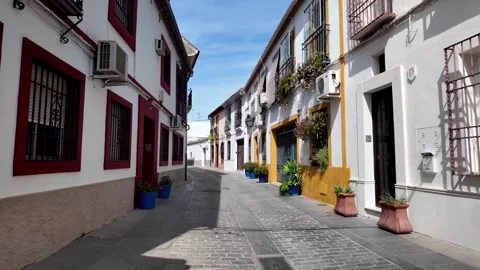
Calleja del Pañuelo
One of the city's most famously tight residential alleyways, historically scaled to the width of a handkerchief.
Calle Cardenal Gonzalez
A key historic street that runs closely parallel to the eastern wall of the central mosque-cathedral.
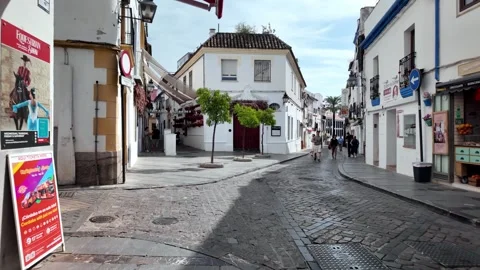
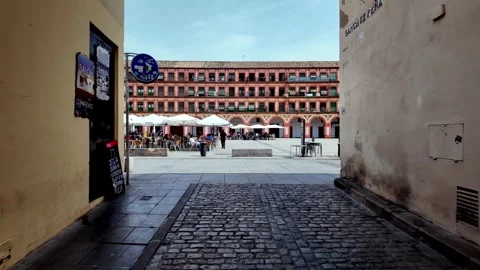
Plaza de la Corredera
A vast, enclosed 17th-century rectangular plaza providing a sudden burst of open space in the dense city core.
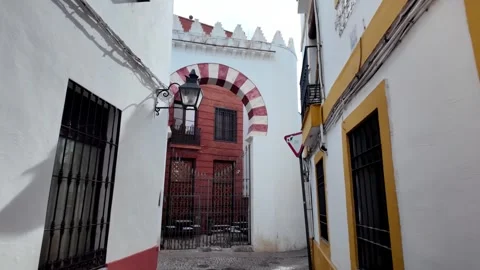
Calle Toril
A narrow street accessed directly through an arched portal from the Plaza de la Corredera.
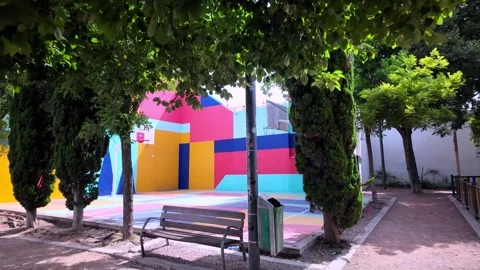
Jardines Huerto de Orive
A public park blending historic grounds with contemporary murals and urban basketball courts.
Claustro de los Abrazos Perdidos
A location defined by contemporary street art and distinct portrait murals woven into the city fabric.
Palacio de Viana
An aristocratic palace renowned for its numerous connected patios, shrub gardens, and decorative water features.
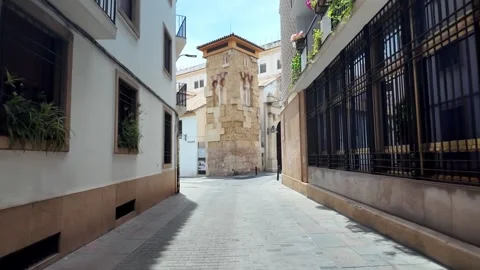
Torre de la Malmuerta
An isolated octagonal defense tower built into the historic fortifications of the city.
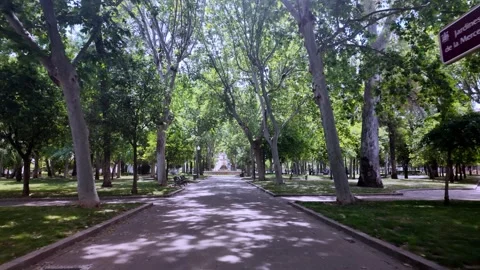
Jardines de la Merced
A manicured public park featuring shaded walkways near the historic center.
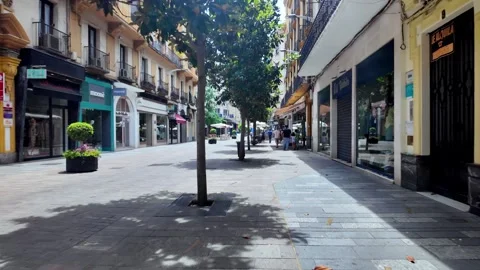
Calle Cruz Conde
A broad, quiet pedestrian zone lined with commercial architecture in the modern sector.
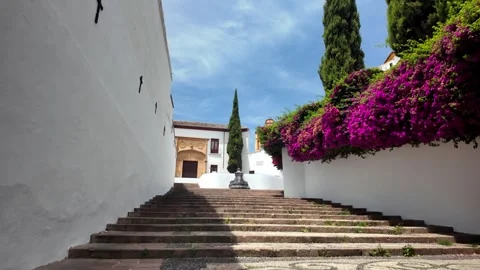
Cuesta del Bailío
A grand, sweeping stone staircase that historically connected the upper and lower parts of the old city.
Alminar de San Juan
An original 10th-century Moorish minaret that now stands attached to a later Christian church.
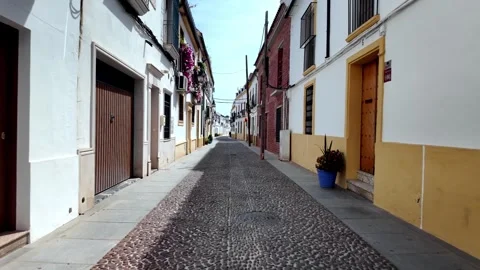
San Basilio District
A traditional neighborhood heavily associated with Cordoba's famous patio culture and whitewashed streets.
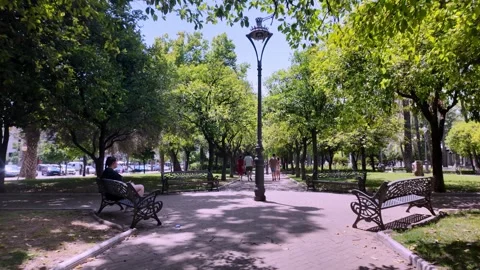
Jardines del Duque de Rivas
A sunlit urban park offering shaded pathways just outside the densest historical zones.
Jardines de la Agricultura
A large, expansive green space with wide gravel paths bordered by mature trees.
Jardines de la Victoria
One of the city's primary linear parks, providing a wide buffer of greenery near the old center.
Puerta de Almodóvar
A heavy stone gate set into the original medieval walls, acting as a historic gateway.
Bullfighting Museum of Cordoba
The entrance courtyard of the Museo Taurino, showcasing traditional Andalusian architectural elements.
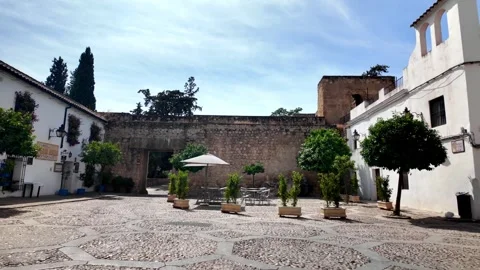
Zoco Municipal de Artesanía
A traditional artisans' market set within a classic multi-level Moorish courtyard.
Alcázar de los Reyes Cristianos
The fortress of the Christian Monarchs, featuring the structured Patio de Crucero and expansive gardens.
Puerta del Puente
A monumental Renaissance gate standing near the riverbank as a formal entrance to the old city.
Plaza Ángel de Torres
A small, historic square that serves as a junction for narrow alleys like Callejón del Indiano.
Callejón del Indiano
A dark, highly restricted narrow alleyway typical of the medieval Islamic street plan.
Triunfo de San Rafael de la Puerta del Puente
A towering religious monument dedicated to the city's patron saint, located near the river.
Roman Bridge
The ancient stone bridge spanning the Guadalquivir River, offering the definitive view of the old town.
Mosque-Cathedral of Cordoba
The massive, dominant architectural centerpiece of the city, viewed externally from the river and surrounding streets.
Patio de los Naranjos
The walled courtyard of the Mezquita, laid out in a grid of orange trees.
The practicalities of navigating the historic core
Filming Cordoba means accepting that much of its history is confined to impossibly tight corridors. I built this collection heavily around walking POVs to show the practical scale and claustrophobia of the old town. You can’t just throw a drone up here and understand the layout. Moving through the famous Calleja del Pañuelo or navigating down Calle Cardenal Gonzalez towards the main monuments requires a ground-level approach. I focused on the pedestrian reality, capturing the movement along Callejón del Indiano and the sweeping stone steps of Cuesta del Bailío. The architecture forces a specific perspective, pushing the camera through tight Moorish archways and traditional streets in the San Basilio District. It’s a continuous, physical progression through an old town built for shade and defense.
Tracing the overlapping empires along the river
The historical heavyweights sit largely along the Guadalquivir River, where Islamic and Catholic construction brutally and impressively overlap. I captured the approach to these monuments, tracking the movement towards the Puerta del Puente gate and the Triunfo de San Rafael de la Puerta del Puente. The collection includes panning shots over the Roman Bridge as the sun drops, framing the massive Mosque-Cathedral of Cordoba in the background. Inside the complex’s walls, I filmed the POV walk through the Patio de los Naranjos, framing the towering Cathedral Bell Tower through the grid of orange trees. Further along, my coverage moves into the Alcázar de los Reyes Cristianos, specifically walking into the Patio de Crucero to capture the fountain and manicured geometry of its gardens. It’s an isolated, highly structured environment compared to the dense alleys outside.
Finding breathing room in the plazas and gardens
The dense old town is broken up by necessary, practical open spaces that completely change the lighting and depth of field. I captured the moment of emerging from a narrow street into the vast, rectangular Plaza de la Corredera, and the archway leading out into Calle Toril. Cordoba isn’t just stone monuments; the city is heavily defined by its green spaces. I filmed the lush patio gardens and central water features of the Palacio de Viana, as well as the broad pathways in the Jardines de la Victoria, Jardines del Duque de Rivas, and Jardines de la Merced. I also wanted to document the modern layers living alongside the historic, capturing the street art, treehouse mural, and basketball court tucked into the Jardines Huerto de Orive. It’s bizarre but authentic, showing how the city actually functions today rather than just acting as a static museum piece.