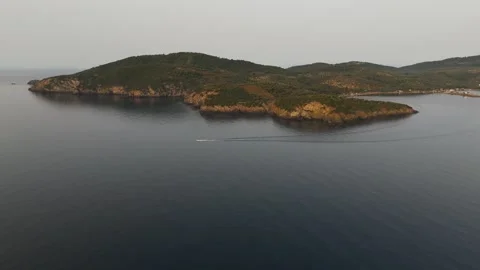
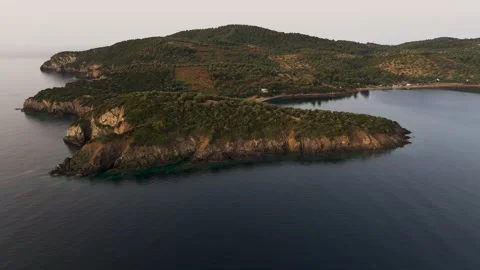
Halkidiki is often dismissed as a sterile package-holiday trap, but its geography tells a more complex story. I shot the Kassandra peninsula from end to end to document the practical reality of its coastline: rugged red cliffs, isolated pine forests, and bizarre architectural layers ranging from Byzantine towers to modern abandoned hotels.
Locations featured in Halkidiki
Nea Skioni Fishing Port
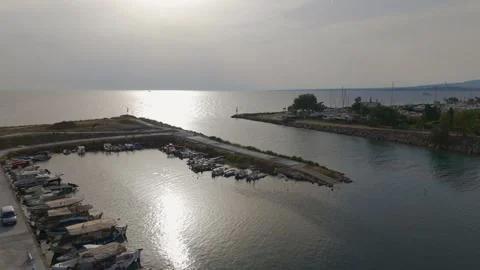
Working harbor on the southwestern coast providing raw, industrial maritime contrast to the surrounding beaches.
Afytos
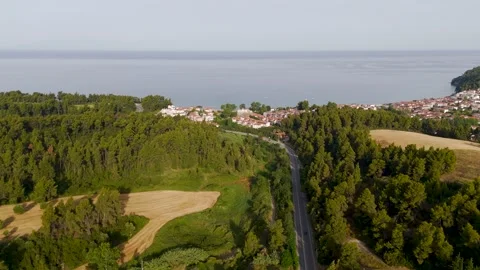
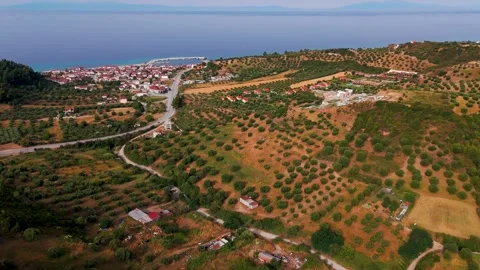
Traditional clifftop village where the dense rooftop architecture drops sharply toward the Aegean.
Aegean Lagoon
A distinct coastal inlet flanked by dense green foliage and steep red rock walls.
Loutra
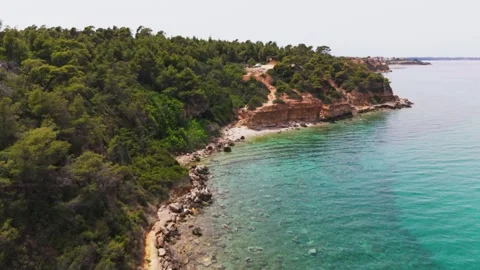
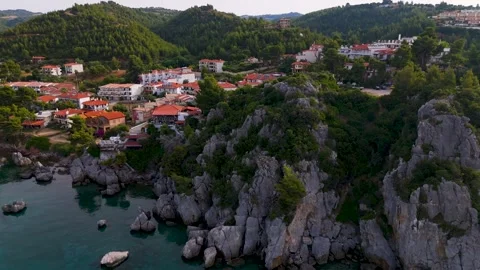
Coastal village defined by its rugged rock cliffs and tight, inaccessible turquoise coves.
Paliouri Coast
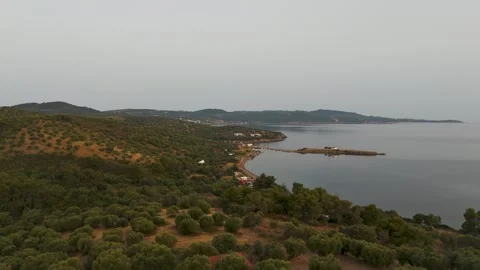
Isolated southern shoreline known for heavy maritime haze and dense woodland approaching the water.
Possidi Beach
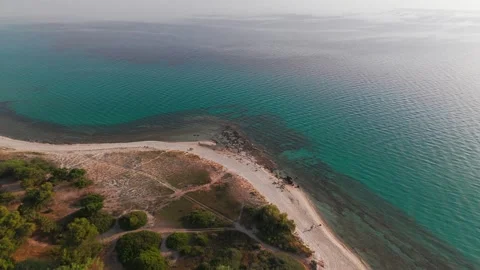
A sweeping sandbank dominated by a solitary lighthouse where the pine forest meets the sea.
Siviri
Seaside settlement backed by woodland, featuring a distinct pier and the ruins of a Roman amphitheatre.
Nea Poteidaia
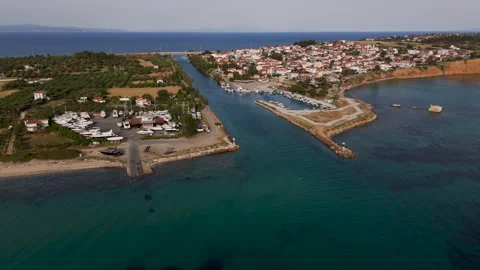
Canal town bisecting the peninsula, anchored by an active harbor and the prominent Holy Church of Agios Georgios.
Nea Fokea
Headland village dominated by a historic Byzantine tower watching over the coastal road.
Agios Nikolaos Kanistro Beach
Quiet, undeveloped stretch of sand at the southern tip offering clear views across the water.
Toroneos Gulf
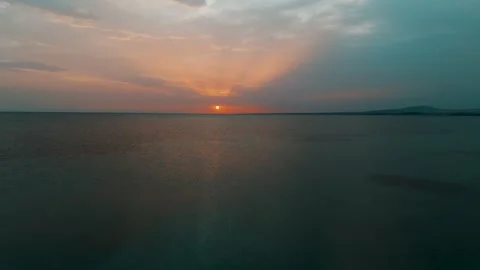
The deep body of water separating the Kassandra and Sithonia peninsulas, framed by heavy pine trees.
The geographical reality of the Kassandra coastline
The actual shoreline of the Kassandra peninsula is far more rugged than the travel brochures suggest. I spent most of my time airborne, mapping the stark transition where dense pine forest meets the Aegean Sea. At Possidi Beach, the contrast is starkest: heavy green woodland abruptly yields to white sand and a solitary lighthouse. Further south, moving towards Loutra, the terrain fractures into steep rock cliffs and isolated coves that remain entirely inaccessible by road. I tracked the red rock formations along this western edge extensively, capturing how the coastal shelf drops into the turquoise waters of the Aegean Lagoon. It is a highly practical location for aerials because you can transition from dense European woodland to stark Mediterranean cliff-drops in a single continuous flight path.
Architectural layers and modern decay
The built environment here is a bizarre collision of eras, which makes for impressive visual contrast. The top-performing asset in this collection is actually a top-down helix zoom of a massive abandoned hotel—a striking piece of modern ruin that interrupts the landscape in an unreal, brutalist way. Beyond the decay, there are genuine historical anchors scattered across the headlands. I flew extensive orbits around the Byzantine Tower at Nea Fokea, which sits stubbornly over the water, and mapped the ruins of a Roman Amphitheatre near the village of Siviri. In Nea Poteidaia, the Holy Church of Agios Georgios dominates the canal and harbor, providing a logical focal point for low-altitude passes that connect the town’s maritime infrastructure to its religious heritage.
Filming through maritime haze and dusk
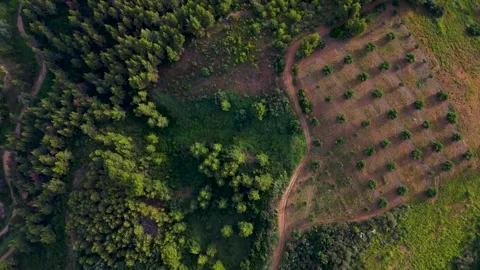
The Aegean Sea dictates the atmospheric conditions, and the light here behaves in very specific ways depending on which side of the peninsula you shoot from. I found the most impressive morning conditions along the secluded coast of Paliouri, where a thick maritime haze often sits over the water at dawn, scattering the light before it burns off. I used top-down drone flights to track campervans and lone boats moving through this muted morning atmosphere. Conversely, the western exposures near Afytos and Nea Poteidaia offer hard, practical silhouettes at sunset. The collection leans heavily into these transitional hours, featuring low-altitude tracking shots of fishing boats returning to Nea Skioni and real-time captures of the sun dropping directly into the Toroneos Gulf.